

movement
Best delt exercises for all three heads of the shoulder
The best delt exercises for each shoulder head, with how-to cues, sets and reps, a summary table, two sample workouts and weekly volume guidance.
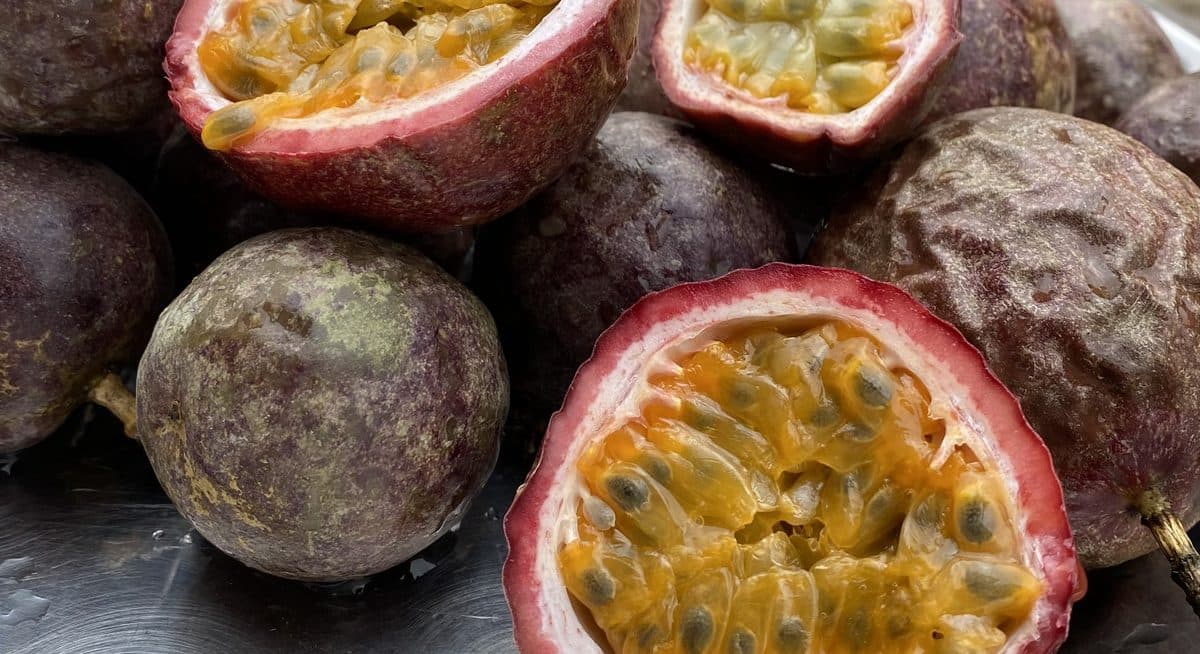
Passion fruit has the most protein per cup (5.2 g); tamarind and guava lead per 100 g. USDA protein chart for 28 fruits and how to pair fruit with real protein.
The best high protein snacks are edamame (18 g a cup), Greek yoghurt (17 g a pot), canned tuna (17 g), turkey slices (17 g) and ricotta or cottage cheese (12 to 14 g). Figures per serving and per 100 calories, from USDA data.
Magnesium citrate is well absorbed, but the one sleep trial that used it found no benefit over placebo. The best magnesium sleep results used other forms, and citrate has a laxative effect that is unwelcome at bedtime.
Magnesium glycinate and bisglycinate are the same molecule: one magnesium bound to two glycines. What matters is whether a product is buffered with oxide.
Magnesium glycinate or citrate? Citrate if you are constipated, glycinate if your gut is sensitive. Elemental magnesium per form, dose limits, who should avoid.
nutrition · 26 Sept 2026
Passion fruit has the most protein per cup (5.2 g); tamarind and guava lead per 100 g. USDA protein chart for 28 fruits and how to pair fruit with real protein.

nutrition · 26 Sept 2026
The best high protein snacks are edamame (18 g a cup), Greek yoghurt (17 g a pot), canned tuna (17 g), turkey slices (17 g) and ricotta or cottage cheese (12 to 14 g). Figures per serving and per 100 calories, from USDA data.

sleep · 26 Sept 2026
Magnesium citrate is well absorbed, but the one sleep trial that used it found no benefit over placebo. The best magnesium sleep results used other forms, and citrate has a laxative effect that is unwelcome at bedtime.

supplements · 26 Sept 2026
Magnesium glycinate and bisglycinate are the same molecule: one magnesium bound to two glycines. What matters is whether a product is buffered with oxide.

supplements · 26 Sept 2026
Magnesium glycinate or citrate? Citrate if you are constipated, glycinate if your gut is sensitive. Elemental magnesium per form, dose limits, who should avoid.
movement · 25 Sept 2026
The best delt exercises for each shoulder head, with how-to cues, sets and reps, a summary table, two sample workouts and weekly volume guidance.

nutrition · 25 Sept 2026
Foods high in magnesium and potassium, compared in one table: mg and % Daily Value for both minerals, plus calcium. Spinach, beans, pumpkin seeds and more.
nutrition · 25 Sept 2026
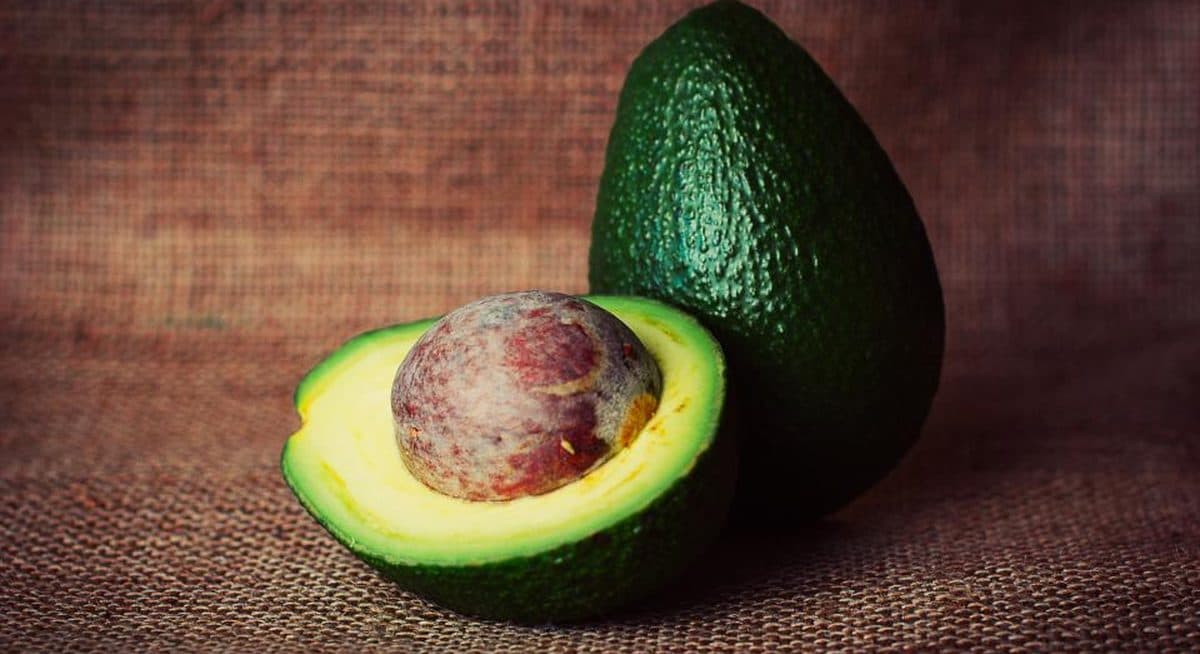
Foods high in potassium, ranked: beet greens, white beans, chard, spinach and dried apricots all beat a banana. Per-serving and per-100 g tables, daily targets and who should be careful.

weight loss · 20 Sept 2026
Fiber helps with weight loss indirectly: viscous fiber slows gastric emptying and increases fullness, and high-fiber foods are bulky for their calories. Higher fiber intake predicts better weight loss in trials, but the effect is measured in a few kilograms over months, not a transformation.

gut health · 20 Sept 2026
A medium banana contains roughly 3.1 g of fiber, about 12% of the daily target for women. Greener bananas carry more resistant starch, which behaves like fiber and falls as the fruit ripens.
gut health · 20 Sept 2026
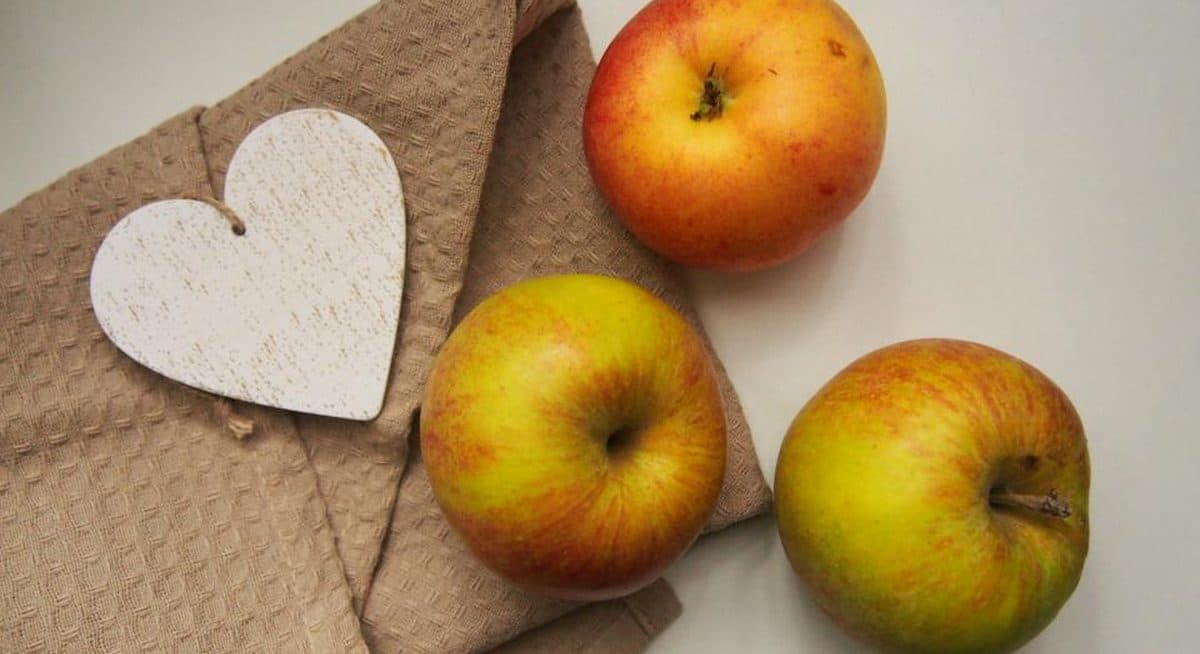
A medium apple with the skin contains roughly 4.4 g of fiber, around 17% of the daily target for women. Peeling it drops that to about 2.1 g, so the skin carries more than half the total.

supplements · 20 Sept 2026
A fiber supplement is one isolated fraction, not a substitute for fibrous food. Psyllium has the strongest evidence, methylcellulose is a reasonable low-gas option, inulin feeds bacteria but causes bloating, and wheat dextrin has the thinnest support of the common options.
The best delt exercises for each shoulder head, with how-to cues, sets and reps, a summary table, two sample workouts and weekly volume guidance.
Foods high in magnesium and potassium, compared in one table: mg and % Daily Value for both minerals, plus calcium. Spinach, beans, pumpkin seeds and more.
Foods high in potassium, ranked: beet greens, white beans, chard, spinach and dried apricots all beat a banana. Per-serving and per-100 g tables, daily targets and who should be careful.
weight loss · 20 Sept 2026
Fiber helps with weight loss indirectly: viscous fiber slows gastric emptying and increases fullness, and high-fiber foods are bulky for their calories. Higher fiber intake predicts better weight loss in trials, but the effect is measured in a few kilograms over months, not a transformation.
Magnesium citrate is well absorbed, but the one sleep trial that used it found no benefit over placebo. The best magnesium sleep results used other forms, and citrate has a laxative effect that is unwelcome at bedtime.
Fiber helps with weight loss indirectly: viscous fiber slows gastric emptying and increases fullness, and high-fiber foods are bulky for their calories. Higher fiber intake predicts better weight loss in trials, but the effect is measured in a few kilograms over months, not a transformation.
A medium banana contains roughly 3.1 g of fiber, about 12% of the daily target for women. Greener bananas carry more resistant starch, which behaves like fiber and falls as the fruit ripens.
A medium apple with the skin contains roughly 4.4 g of fiber, around 17% of the daily target for women. Peeling it drops that to about 2.1 g, so the skin carries more than half the total.
A fiber supplement is one isolated fraction, not a substitute for fibrous food. Psyllium has the strongest evidence, methylcellulose is a reasonable low-gas option, inulin feeds bacteria but causes bloating, and wheat dextrin has the thinnest support of the common options.
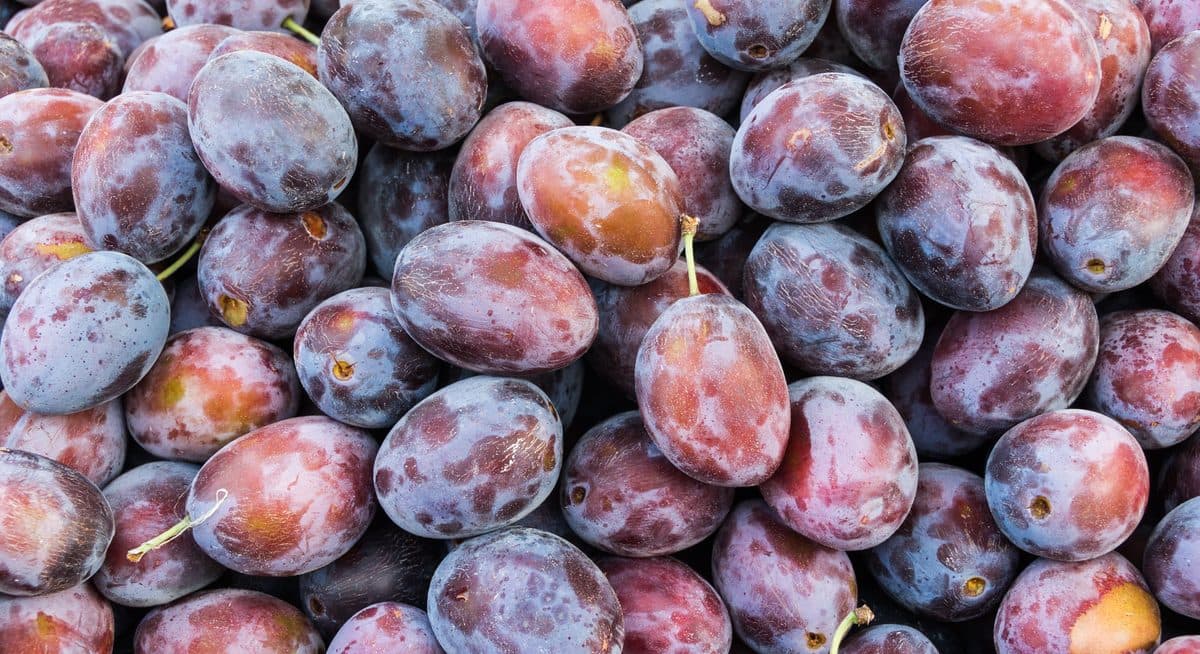
The best high-fiber foods for constipation are the gel-forming ones: psyllium, oats, prunes and kiwifruit. Wheat bran adds bulk but can worsen symptoms in some people, and fiber only works if fluid intake rises with it.
Per cup, passion fruit pulp at 5.2 g, then guava at 4.2 g. Per 100 g, tamarind leads at 2.8 g and guava is next at 2.55 g. Guava is easier to find and eat in quantity, and it has far fewer calories than passion fruit or tamarind.
Read the briefing →None are rich in the way meat, dairy or legumes are. The best fruits (guava, passion fruit, avocado, jackfruit, pomegranate, blackberries, kiwifruit) give 2 to 5 g per serving, against 17 g in a 170 g tub of nonfat Greek yoghurt.
Read the briefing →Not in a normal serving. Fresh fruit tops out around 4 to 5 g a cup. To reach 10 g or more, combine fruit with yoghurt, cottage cheese, milk, eggs, nuts or seeds.
Read the briefing →Weak per calorie. A cup of cubes has 3.0 g of protein but 240 kcal, mostly fat, or about 1.2 g per 100 kcal. Nonfat Greek yoghurt gives 17 g per 100 kcal.
Read the briefing →Per gram, yes, because the water is gone: dried apricots have 3.39 g per 100 g against 1.4 g for fresh. Per serving the gain is small, since you eat far less of it by weight, and calories rise with it.
Read the briefing →Among whole foods, a cup of shelled edamame at about 18.5 g, followed by a 170 g pot of non-fat Greek yoghurt at about 17 g and a drained can of light tuna at about 16.5 g.
Read the briefing →A medium banana contains roughly 3.1 g of fiber, about 12% of the daily target for women. Greener bananas carry more resistant starch, which behaves like fiber and falls as the fruit ripens.
A medium apple with the skin contains roughly 4.4 g of fiber, around 17% of the daily target for women. Peeling it drops that to about 2.1 g, so the skin carries more than half the total.
A fiber supplement is one isolated fraction, not a substitute for fibrous food. Psyllium has the strongest evidence, methylcellulose is a reasonable low-gas option, inulin feeds bacteria but causes bloating, and wheat dextrin has the thinnest support of the common options.
The best high-fiber foods for constipation are the gel-forming ones: psyllium, oats, prunes and kiwifruit. Wheat bran adds bulk but can worsen symptoms in some people, and fiber only works if fluid intake rises with it.
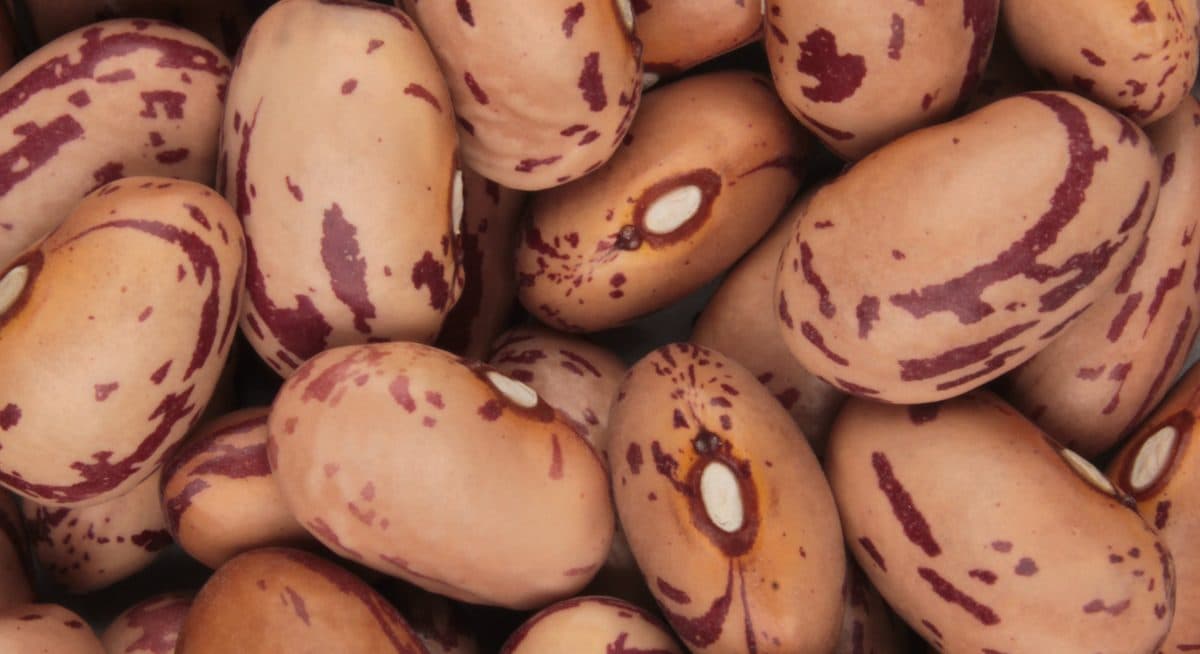
The highest fiber foods are legumes: a cup of navy beans carries about 19 g, split peas 16 g, lentils 15 g. Most adults eat 15 g a day against a 25 to 38 g target, and beans close that gap faster than any other food.
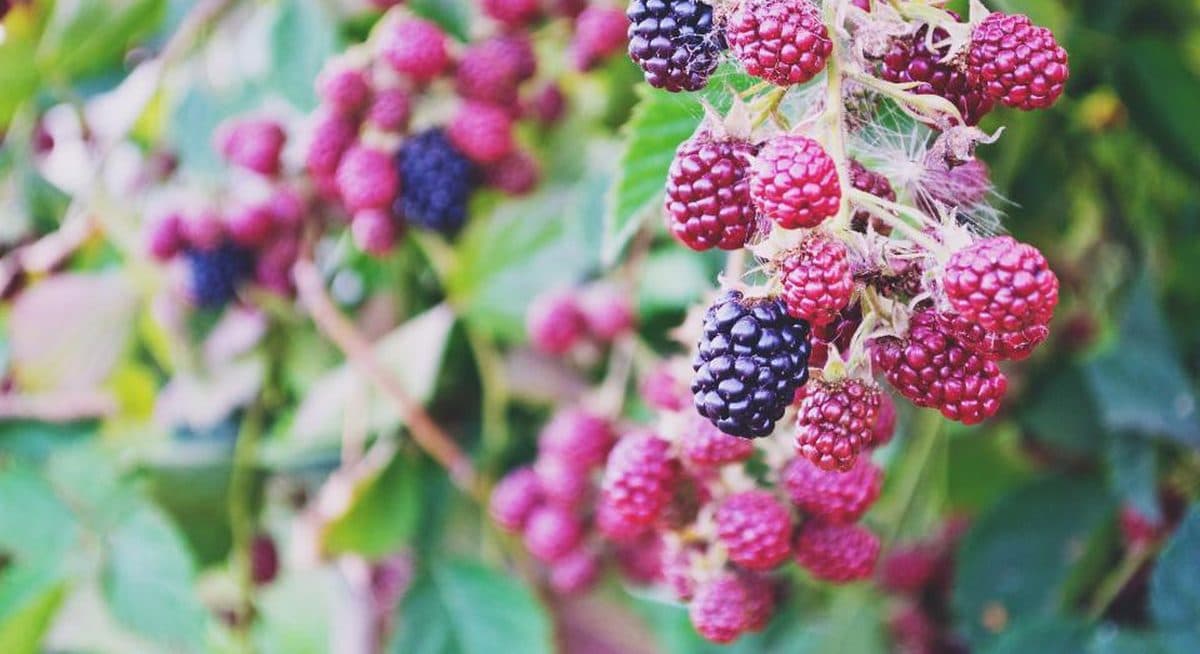
The highest fiber fruits are raspberries at about 8 g a cup, blackberries at 7.6 g, and pears at 5.5 g with the skin on. Most fruit lands between 3 and 5 g per serving, which makes fruit a useful contributor to the 25 to 38 g daily target rather than the main source.

The highest fiber vegetables are green peas at about 9 g a cup and artichoke at roughly 7 g each, followed by winter squash, broccoli and collard greens at 5 to 6 g. Most other vegetables land between 3 and 5 g per cooked cup.

The highest protein foods per serving are chicken breast at about 31 g per 100 g, canned tuna at 26 g, salmon at 25 g and cottage cheese at 25 g a cup. Most adults need 1.2 to 1.6 g per kg of bodyweight, not the 0.8 g minimum.

Magnesium glycinate benefits come mainly from tolerability: it is chelated to glycine, absorbs well and causes far less diarrhoea than oxide or citrate. For correcting low magnesium it works well. For sleep and anxiety specifically, the direct evidence is thinner than the marketing.

The anabolic window is closer to several hours than 30 minutes. What actually moves muscle growth is your daily protein total, not how fast you drink a shake.

Psyllium husk benefits are among the best evidenced of any fiber supplement: modest LDL cholesterol reduction, improved stool consistency in both constipation and diarrhoea, and better post-meal glucose control. One tablespoon supplies roughly 4 g of mostly soluble fiber.

Soluble fiber dissolves and forms a gel, slowing digestion and lowering LDL cholesterol. Insoluble fiber does not dissolve, adds bulk and speeds transit. Most whole foods carry both, so the distinction matters for supplements and symptoms more than for everyday eating.

Walking after eating lowers glucose more than the same walk taken hours later. The effect shows up after just two to five minutes, which makes it the cheapest metabolic habit there is.

How to fix sleep schedule drift: pick one wake time and hold it. A 60,000-person UK Biobank analysis found bedtime consistency tracked survival more closely than how long people slept.

Zone 2 cardio is effort you can hold a conversation through, and it should make up most of your weekly training. Here is what zone 2 actually means and how to find it without a lab test.
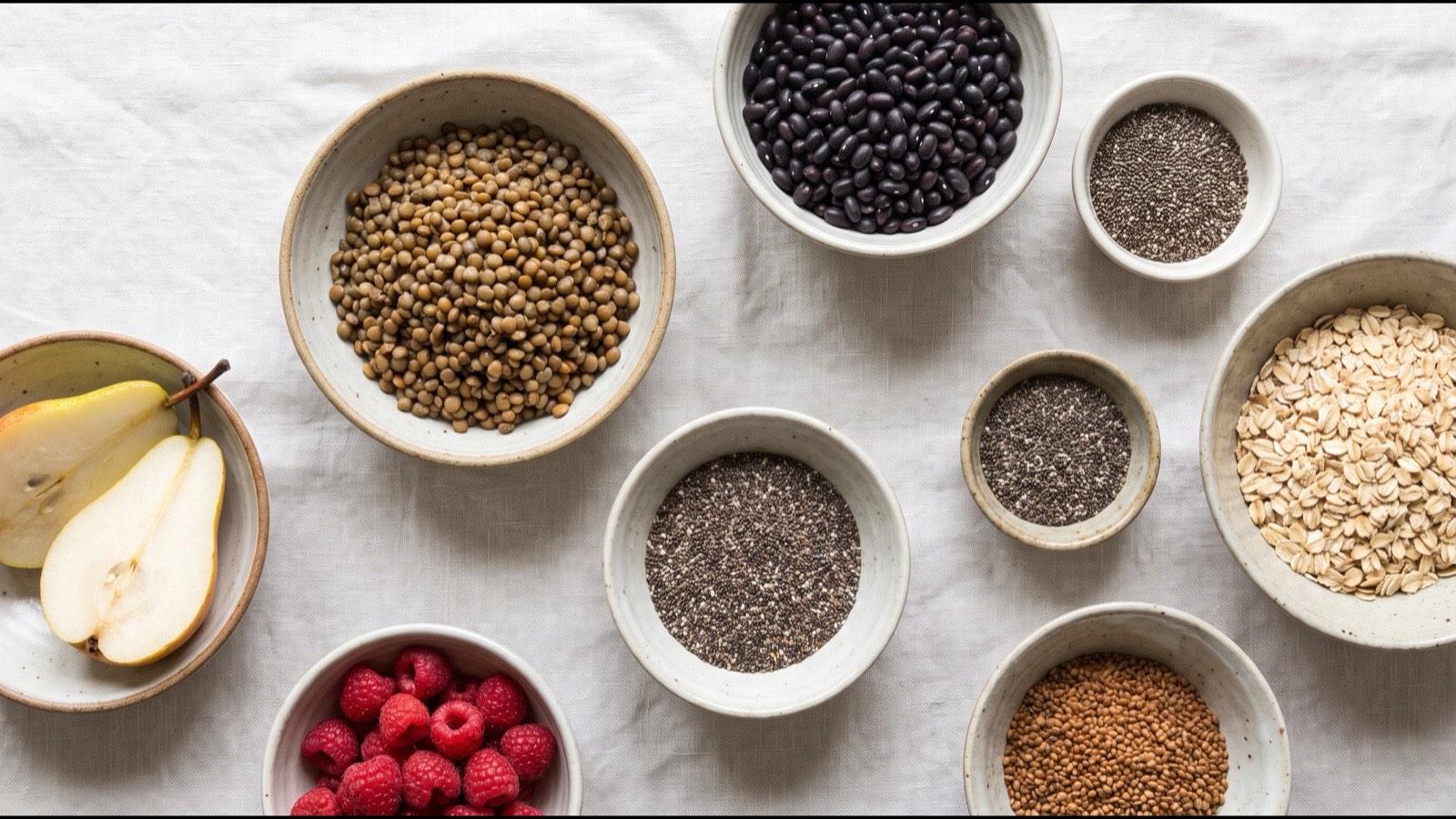
How much fiber per day: 25 to 38 g is the target, and average intake sits near 15 g. The gap shows up in your microbiome, your cholesterol and your colon cancer risk.


